DRAG
Breaking Barriers: Jeremy McDowell and the Rise of the KC Diamonds
Realmediakc.com/podcast
Spotify
https://open.spotify.com/episode/3yl3GMpvjs7dCcai8gK5vW?si=bd2047aaeae7414b
YouTube
https://www.youtube.com/watch?v=c1uIvxylr6s
Apple
https://podcasts.apple.com/us/podcast/in-a-world-with-real-media/id1411145502?i=1000769106879
KC Diamonds
Jeremy McDowell, the co-founder and president of Top Gun Events, a premier softball event company headquartered in Kansas City, has played a transformative role in shaping the landscape of elite-level softball over a more than 20-year career.
In 2016, Jeremy, alongside his co-founder, Robb Beyhmer, founded Top Gun Events to create a platform that showcases top-tier softball talent and provides extensive recruiting opportunities for athletes on a national scale. Under their joint leadership, Top Gun Events rapidly ascended to prominence within the softball community as one of the premier organizations in the country.
Raised in Basehor, Kansas, and a graduate of Basehor-Linwood High School, Jeremy became an entrepreneur upon graduation. From 1996 to 2001, Jeremy showcased his business acumen as a retail manager and partial owner of delicatessens. In 2001, he took on a career-changing role running the Field of Dreams Sports Complex in Basehor, KS, where he initially volunteered and discovered his love for fastpitch softball.
In 2007, Jeremy transitioned to the ownership of Midwest Sports Productions (MSP), a venture he successfully led until its sale in December 2020. During his tenure, MSP became one of the largest providers of fastpitch events in the USA, solidifying Jeremy’s reputation as a critical player in the softball industry.
From 2009 to 2018, Jeremy served as the Vice President of USSSA Fastpitch, overseeing all Fastpitch directors in the United States. Under his leadership, the program expanded from 20,000 teams annually to over 100,000 teams in tournaments, transforming USSSA into the largest fastpitch sanctioning body by 2018.
In 2020, Jeremy assumed the role of Vice President of Perfect Game, further demonstrating his influence in the world of sports events while continuing to fuel the success of Top Gun. Jeremy’s journey is marked by pivotal moments, including the inception of the Top Gun Invite in 2013 and the subsequent transformation of Top Gun Events into a thriving company in 2016.
His passion for sports, athletes, and entrepreneurship converge seamlessly, allowing him to continue to create meaningful experiences through elite fast-pitch softball events.
___________________________________________________________________________________
-Transcript-
Brad Burrow (00:00):
Hello and welcome to In A World with Real Media. Today we’re talking with Jeremy McDowell, founder of the Casey Diamonds, the first professional women’s softball team in Kansas City. Jeremy is a leader in Midwest softball. He’s combined entrepreneurial vision with a passion for athlete development to create a groundbreaking organization focused on community and opportunity. We’ll explore how he got to this point, how this team is redefining women’s sports and what makes their mission so impactful. So let’s dive in. Welcome to In a World With Real Media. I’m your host, Brad Burrow. In this podcast, we’ll dive into the lives of the most successful people in business. We’ll learn how they overcame adversity, took advantage of opportunities and learned from their experiences. Learn from our experts, get inspired, then go live your story. It’s in a world with real media. All right, Jeremy. How about that?
(00:59):
That was amazing. That was a great
Jeremy McDowell (01:01):
Entry. You did great, Brad.
Brad Burrow (01:03):
Well, thank you so much for being on the podcast. I really appreciate it. Tell me, so you’ve grown up in this area, is that correct?
Jeremy McDowell (01:10):
Yeah. Born and raised Kansas City and lived here my whole life now, going on 48 years. Went to school at high school at Baser Linwood and high school and just took the entrepreneurial route right out of high school and have been going after that for the last 30 years.
Brad Burrow (01:27):
So what did you do right out of high school? When you say entrepreneurial route, what?
Jeremy McDowell (01:31):
Yeah. I was involved in some retail and delis, inside gas stations and things like that for about five years to about the age of 23. And then I got the opportunity to volunteer at a sports complex up in Baser where I had played ball growing up called the Field of Dreams and volunteerism turned into a complex director job and then it turned into overseeing the facility all the way to opening up some businesses after that all based around youth sports.
Brad Burrow (01:59):
Yeah. So I want to get into that a little bit. So my boys have all played baseball. We were a baseball family growing up and went through all of three and two and started there and then travel clubs and all that stuff. And man, and I’ve talked with Bill Severns who you know Bill. Oh, Bill’s great. Yeah, Bill’s
Jeremy McDowell (02:18):
Great.
Brad Burrow (02:19):
And we’ve talked a lot about just the craziness of youth sports and not to go that place right away, but that’s got to be a challenge.
Jeremy McDowell (02:28):
I’ve seen going on 25 years now in the youth sports, I’ve seen a lot and so much of it good, so much of it good. But if there is one area as parents that we have to definitely check ourselves is the pressure we could put on our own athletes. And how to truly, Bill talks about this, how to truly enjoy that journey. I mean, because our time with our kids is so short. But like I said, it’s 2026 times change where we live that, but there’s definitely an opportunity for I think all of us as parents to reevaluate why sports are here and why we do what
Brad Burrow (03:07):
We do
Jeremy McDowell (03:07):
With sports.
Brad Burrow (03:08):
Talk about that a little bit. I mean, so I can just give you a little bit of my experience. And I remember my middle son was the one that really wanted to go to college and he was a pitcher. Man, we did every showcase. We went to Western Oklahoma, Nashville, I mean all over the place and that’s probably not as far as most people go, trying to do the showcases and stuff. And none of that really actually made a difference in him getting signed. He played in NAIA, ended up at Avila because of COVID for his last few years. Darryl Kronk, I don’t know if you remember Darryl. And he was a great guy by the way. But I look back on some of those decisions like we really didn’t need to do all that stuff. But I think parents are so, I got to give my son or daughter the best opportunity to be successful.
Jeremy McDowell (03:58):
Yeah. I think it’s defining success. And I think depending on the sport, what that looks like. There are a few sports where at the end of the rainbow there might be a pot of gold,
Brad Burrow (04:09):
But
Jeremy McDowell (04:09):
That’s far few between and really you have to evaluate why you travel, what you’re looking to do. We just took our son who’s 15 and he’s in the competitive bowling side. And we just took him to Kentucky last weekend actually in Louisville. Well, we didn’t go down there to win it. We didn’t go down there to try to get seen by colleges. We wanted to give him an experience. We wanted family time together. And I’ve learned that over the years of, if you want kids to truly love the sport that they’re playing, then let that be their journey. And I think as parents, when we’re pushing athletes, like you said, to have to travel across the country because of X, Y, and Z and there’s nothing wrong with traveling across the country, but make sure that the purpose behind it is bigger than just a college scholarship or something else like that because you will be disappointed.
(05:02):
And the fact is that 80 to 90% of kids will sign no matter what sport it is within a four hour drive of their home.
Brad Burrow (05:10):
And
Jeremy McDowell (05:10):
So when you really begin thinking about the percentage of athletes that 1.4% that’ll go on to play power for whatever the case might be, it’s rare. And even then, if you’re that type of an athlete, they’re going to find you in your backyard.
Brad Burrow (05:24):
Yeah. Today more than ever, right? I mean, with technology and we were on a recruiting site and of course he was a pitcher and it’s real easy to shoot video of him and I had 4K videos. Your background. Yeah. Yeah. So it was easy, but that’s how he ended up getting a scholarship is coach Slymon, I think field level was the platform that we were on. Yeah.
Jeremy McDowell (05:47):
There’s a few out there and like you said, yeah, if your kid’s good enough and you do some work and there’s different ways you can go about that, your kid can get there, but just make sure they still love the sport when they do because once they hit the college tide, they better love it because it is a job. If you think about it, they’re being paid a scholarship most of the time and I always tell people it’s about $100,000 a year job for four years or $100,000 a year. They’re paying you for four years or whatever the number is. And those coaches are paid to win. And so you just got to make sure you truly still have that passion for the sport when you step in there.
Brad Burrow (06:22):
Yeah. And I don’t think that a lot of the kids realize how much work it actually is. My son was like, you wouldn’t believe before in the fall, how hard they had to work in the fall before the spring season came. Yeah.
Jeremy McDowell (06:35):
Fall was where you win in the spring. Yeah.
Brad Burrow (06:37):
And
Jeremy McDowell (06:37):
So the work you have to put in, like you said, and the weight room and the drills and the skill developments is real.
Brad Burrow (06:44):
Yeah. But it was fun for me.
Jeremy McDowell (06:46):
It is. It is. Like I
Brad Burrow (06:47):
Said, there’s nothing wrong with it.
Jeremy McDowell (06:49):
You got to define what success
Brad Burrow (06:50):
Looks like. Yeah, it was a blast. So tell me a little bit about your family. I have some stuff I looked up online. I don’t know if that’s correct. It says how many kids do you have?
Jeremy McDowell (06:58):
Yeah, I’ve got five kids.
Brad Burrow (06:59):
Okay.
Jeremy McDowell (06:59):
Yeah. Range all the way from 32 down to 15 now. I’ve got a widespread. We’ve also got six grandkids and so they’re all around here and blessed and 11 times over and beautiful wife, supportive wife growing up through all this. Yeah, we’re all together. So couldn’t ask for anything more as a parent.
Brad Burrow (07:21):
And they’re all in the area.
Jeremy McDowell (07:22):
They are. They are.
Brad Burrow (07:23):
So they’re all in
Jeremy McDowell (07:24):
The area. So we get a lot of family time.
Brad Burrow (07:27):
So when they come out of the womb, are you getting them, teaching them how to
Jeremy McDowell (07:31):
… You know it’s funny. Kind of funny about that story is my background’s traditionally been just baseball, softball with the youth sports side, 90% anyway and very few of them, a couple of them played rec ball, but I actually preferred that because when it’s at the ball field like that, then they’re getting me on my turf and if it’s a different sport or if it’s arts, choir, whatever it is, I get to meet them on their turf. And I think that’s what I loved about them not necessarily pursuing. Thus, my son plays football and he’s a bowler, right? I love it. I mean, I don’t know anybody in a bowling alley. So I’m able to go and just be dad, just be dad.
Brad Burrow (08:11):
Yeah. Man, how did that come about? Just go to the bowling alley one day and he loved it and picked
Jeremy McDowell (08:16):
It up? Yeah. I mean, we’re not a bowling family. My dad grew up, I grew up a little bit, my dad bowled, but we’ve never bowled. And about a year and a half ago, my wife just wanted to create a night where we could get together and have some recreational bowling. And oh boy, he was horrible and I think he might’ve bowled 30s and 40s and 50s and then he just kind of began to like it and got his own ball. And next thing you know, he’s committed five, six days a week in the bowling alley and it’s become, that in football is his sport. But yeah, it’s driven all by him. Our job is just to get him where he needs to be from point A to point B. But he loves the sport, met some mentors of his that are able to pour into him and it’s fun.
(08:54):
It’s been a lot of fun. So
Brad Burrow (08:56):
What’s it like being a parent watching a tournament? Yeah.
Jeremy McDowell (08:59):
I
Brad Burrow (08:59):
Can’t even imagine you’re just sitting back kind of watching.
Jeremy McDowell (09:01):
Yeah, right. And all the bowling alleys are different, right? So a lot of them are older time bowling alleys and it’s really tight in there and you got all the youth down on the alleys themselves. And so you kind of just learn to come and kind of camp out for the day. Most of them are one day events, which that makes it nice compared to like baseball where it’s three days or softball. And so I think that’s the other thing we enjoy about it is you’re spending a good solid family day there, go have some dinner afterwards and just like any sport, he has good days and bad days
Brad Burrow (09:32):
And
Jeremy McDowell (09:32):
It’s just
Brad Burrow (09:33):
Part of the process. Yeah. Yeah. Sounds like a lot of fun. So Baser Linwood, you grew up there. Tell me about that a little bit. I mean, obviously you had something in you about being an entrepreneur based on the stuff that we’re going to talk about. Where did that come from?
Jeremy McDowell (09:49):
It’s a great question. I actually, I never knew I was an entrepreneur growing up. It didn’t really … My grandfather who was retired military, he had a bird dog training kennel. So I mean, he was the closest thing to running a business, which he did. He boarded dogs and he trained
(10:06):
Dogs, world renowned dog trainer, but I really never knew how much I loved the business side of it until I got into the retail side after and had an opportunity to buy one of those that I didn’t, but got an SBA loan at the age of 18. And so really just spurred on this spirit. And then I think there’s always doubt, can you do it? All those things. And any entrepreneur is like, “Am I cut out to do this? ” And the truth is, “We’re all faking it. I mean, we don’t know what we’re doing. So you just got to put one foot in front of the other. You’re going to fall a lot of times and you just got to learn to get back up and you’re going to learn from your mistakes.”
Brad Burrow (10:47):
Sports is just like that, isn’t it? It is. It’s like that’s one of the things I think that I talk to people about having my boys all play in baseball, you fail 70% of the time you play and you’re doing amazing, right? Softball’s probably very similar.
Jeremy McDowell (11:02):
It is.
Brad Burrow (11:02):
But it just teaches you so much humility and I think it sets people up to succeed in life because you learn how to fight through adversity.
Jeremy McDowell (11:14):
This is the great part of sport, right?
Brad Burrow (11:15):
Yeah.
Jeremy McDowell (11:15):
And this is a great sport of sport and there’s so many opportunities now for these young kids to learn through sport. We all need different platforms and everybody can learn in different ways, but it is a great tool that as young people, you’re right, like A, the work you got to put in, hard work, right? It’s not given to you and then B, you’re going to fail more than you succeed and how are we going to handle that and how we can get back up is, I mean, life’s not easy, right? And so it’s definitely, it’s a great tool for young people.
Brad Burrow (11:47):
And you kind of had that built into your psyche it sounds like growing up a little bit, huh?
Jeremy McDowell (11:51):
Yeah, definitely. I played sports and grew up in a family where we were expected to give our best and don’t regret any of that. I do think that we have to, as parents figure out that I come back to that pressure award a lot. I think we live in a different time now with social media and the copycats and following the perceived what others are doing and there’s this … It’s hard on kids. I think it was a lot easier for us to be a kid growing up than it is to be a kid nowadays. And so I think as parents, my personal belief is just our job is to steward that time with them because it is short.
Brad Burrow (12:37):
Well, that’s funny that you mentioned that. I was thinking that. So I grew up in Grandview until I was in the sixth grade and I would ride my bike all the way up to Zarda, which you probably know where that was, but it was like a little ice cream shop. It’s probably two miles away and I would leave in the morning and I wouldn’t be back till that night. And my mom didn’t know where I was. No. Can you imagine doing that
Jeremy McDowell (12:57):
Today? No. We have no clue. Yeah. We couldn’t even imagine doing that, right? I mean, we track every aspect where they’re at the find iPhone, we know where they’re at at all times, right?
Brad Burrow (13:08):
We do. We know where they are. Yeah. They can’t get away with the stuff they used to get away that we used to get away with for
Jeremy McDowell (13:14):
Sure. No. Yeah. I just can’t imagine times are so different.
Brad Burrow (13:18):
Yeah. Well, let’s kind of transition to … I wanted to talk about … So I’ve highlighted some of the roles that you’ve come up through Midwest sports production. So you went from running a complex property. Was that the next thing that you did?
Jeremy McDowell (13:35):
Yeah, it was. From 01 to 07, I always tell people I was at first in the complex business and the youth sports side, what I loved about and what I learned at the complex side is I loved putting on events or experiences, right? And so the event side is what I loved. From a one to a seven when you’re running a complex, I’m on the mower, I’m ordering the concession sand food. A lot of my time at that point was what I call ballpark operations, right? But what I loved was the event side and we were at the time in 2002, 2003, Basur seemed like that was like an hour and a half from Metro. Now times have changed. We’ve got the racetrack legends, everything. So it feels like it’s one big metro now, but at the time it’s like people are driving a long ways to come out there and you’ve got corn fields and gravel parking lots.
(14:24):
And so really, I think we built our brand on what those events and those experiences, that’s where we started the Hawaiian Hit Fest and the Monster Bash and those are tournaments like the Hawaiian Hit Fest ended up being at one point the world’s largest baseball tournament in the country and in advance- Played in that many times. 756 teams. And so it rains every year on Hawaiian Hit Fest it did too. So we had to learn to deal with adversity a lot. But yeah, no, you’re right, Brad. It was 07 that me and another couple of gentlemen started Midwest Sports Productions. They both had retired from different counties here in the metro and had access to those county facilities and just one thing led to another and held onto that company for about 13, 14 years.
Brad Burrow (15:07):
Did you have heartburn about weather? I mean, if it rained out of tournament, you’re losing all that
Jeremy McDowell (15:14):
Revenue. Oh man, the sleepless nights, especially starting out when you’re trying to create a nest egg just to be able to, for the rainy day fund, right? Just
Brad Burrow (15:25):
To prepare for
Jeremy McDowell (15:26):
Something like that. It’s 100%. And you always tell people that it takes us a month to prepare the event and then within the matter of 30 minutes, that puzzle can just collapse. And then you’re in middle of a delay and then you’re putting that puzzle back together and what does that look like from the schedule to staffing to umpires, whatever it is, right? And so yeah, you used to fight weather a lot and I learned over the years you can’t control what you can’t control. It doesn’t mean I still don’t dread the weather. I can read a … I’m probably one
Brad Burrow (15:57):
Of the best- PTSD from it still. Oh
Jeremy McDowell (15:58):
Yeah, that.
Brad Burrow (15:59):
This afternoon it’s
Jeremy McDowell (16:00):
Going to rain. Trust me. And I know how to look at fronts now and I’m a meteorology without the degree. I’ve just learned over 25 years of radars and I can usually … I’m pretty good at saying, guys, don’t worry about it. We’re going to be fine. It’s going to fall apart before it gets here. And everyone’s like, wait, what are you talking about? But it’s just years of experience and reading different radars and what we use. So for sure. Yeah, it’s
Brad Burrow (16:21):
Very true. I mean, I’d get it up on, guys, it’s going to be a while before we play.
Jeremy McDowell (16:25):
Correct. Correct. And then we saw the evolution of facilities too from dirt to ag lime and so now and to turf now, right? And so it went from rain, you’re rained out for the entire weekend to rain, you’re playing again in three or four hours to now rain and you’re back on the fields immediately because of so much turf out there now at all these facilities. So yeah, as event directors, we love turf. I know sometimes people have a pro and a con or a love hate, but there’s a lot of love when it comes to the event side for turf for sure.
Brad Burrow (16:55):
What is the dirt stuff that they’d put when it was muddy? What’d they call that stuff? Turfes. Quick
Jeremy McDowell (17:00):
Dryer turfes.
Brad Burrow (17:01):
I remember that when it’d rain, there’d just be pallets of that stuff. Oh, pallets.
Jeremy McDowell (17:04):
50 pound bags everywhere.
Brad Burrow (17:06):
Yeah. And they’d just be loading on the gators and getting them out there trying to- Yeah, 12
Jeremy McDowell (17:09):
Bucks a pop, throw
Brad Burrow (17:10):
It down,
Jeremy McDowell (17:11):
Throw it down.
Brad Burrow (17:11):
That eats up your profit real fast.
Jeremy McDowell (17:13):
Oh, it does. But we had a philosophy always have since day one is our job is to play ball. We’re in the business to play ball, right? So never really looked at how much we’re putting down. We probably made decisions that we’ve been better off to cancel financially, but it’s just like our job and we got known for that is we’re going to do everything in our power to play the game. That’s what people signed about, signed up for.
Brad Burrow (17:33):
Yeah. Talk about umpires a litle bit. That’s got to be a challenging thing to keep … They take the brunt of people being upset to have … My son’s thought about doing that and I’m like, “Do you really want to do that? ” That’s a tough job.
Jeremy McDowell (17:50):
We need more young people and you’re right, we see no shortages of social media content that saw one the other day that somebody lost their mind and attacked an umpire and official.
Brad Burrow (18:02):
And
Jeremy McDowell (18:03):
Of course now we’re getting fortunate the states are starting to press charges and so now you can get some pretty severe charges with any type of an assault now because it’s looked like assault and it’s felonies and stuff like that. So hopefully people will, like I said, it’s not everybody, it’s not the majority, but you’re right, they can ruin an atmosphere pretty quick. And from an umpired side, with the growth and the boom of youth sports, the demand is so much greater, right? And so we constantly developing, constantly recruiting and then our job is to try to keep that facility as safe as possible. And what I mean by that is just protect those young umpires, schedule them properly where they’re with somebody that has some experience, things like that, put them through some training. All the little things make a big difference. You do the best you can.
(18:54):
There’s situations though, somebody calls in sick, three people call in sick, whatever the case might be, and then you’re maneuvering, right? Because our job is to put two officials on a field and sometimes in some of the stuff we do now, it’s three officials. Yeah, it’s an ongoing challenge. The good part is the pay for umpires has gone up double almost in the last five to seven years. It’s needed for where this is going. Obviously it drives cost up for events though. So that’s the challenge that we have to always look at. You got to
Brad Burrow (19:28):
Build that in then.
Jeremy McDowell (19:29):
You do. I mean, at the end of the day, it’s a real cost. I mean, our number one line item on the entire company is it’s always going to be officials by more than double the next cost. Is that right? Yeah, that’s just officiating that expensive UICs, feeding them, putting them up and lodging when they come in, things like that.
Brad Burrow (19:49):
The Hawaiian hit fest and I mean, I remember those tournaments were so big and every field that felt like in the metro area was being used at some level on that. I mean, that had to be a nightmare trying to get all the scheduling done.
Jeremy McDowell (20:00):
That was fun. That was so much fun until it rained. It was great, right? I mean, the spirit behind the Hawaiian Hit Fest and the Monster Bash, it would have been in 2002. I would have been 24, 25 years old. And even at that time, and I’m running tournaments out at base there that might have had 12, 16 teams, 20 teams, right? He was smaller. But what I noticed that even being someone my age, I noticed the pressure that was on kids and just-
Brad Burrow (20:28):
Even back then.
Jeremy McDowell (20:29):
Even back then, it was nothing. And so the light bulb that went off for me back then was let’s create a weekend where we can ask coaches to kind of step back, relax, put on some coconut brawls for Hawaiian hitfest, right? I did. Put on some grass chairs. I actually have a picture of me doing that. Yep, I can believe it. We ask them to do that, let the kids and give the game back to the kids, right? And for one weekend, we get it, right? Development, but that was the spirit behind it and kind of funny how those tournaments became our two biggest events over the next 10 years was because there was something about that that was magical, decorate the dugouts, all the moms get involved, right? And it became such a family event that you go to and it was really a standard on people’s schedule, right?
(21:16):
It was just a mainstay. “Hey, we’re playing in the Wine Hit Fest, right? And it always fell on graduation weekend. So you’re dealing with that, you’re dealing with, which is a huge issue with staffing and things like that on our end. So no, those events turned into, they were great events and they’ve changed a little bit since then, but it was all based around just give the game back to the kids for one weekend.
Brad Burrow (21:39):
That’s fun. I always thought it would be fun. So our teams, we would try to have like one practice game where the moms would play the boys, not when they got older, but when they were pretty young. I always thought it’d be fun to let the moms coach the boys for one tournament just in all the dads just they have to sit back in the stands and watch the game.
Jeremy McDowell (21:59):
Yeah, I’ve seen it. I’ve seen it done. Have you? I’ve seen it done a few times and the dads are pacing though and they can’t sit still, but the boys or girls or whatever it might be, they have a great time, right? They have a great time with it.
Brad Burrow (22:14):
Yeah, I bet that’d be fun. So quickly we’ll kind of go through some other things and I want to get into the diamonds, U triple say fast pitch. So that was kind of the next step, is that correct?
Jeremy McDowell (22:25):
Yeah. And when we formed the company in 2007, all of our events were sanctioned by UTSSA and in 2009 I spent 10 years as the national director for UTSA fast pitch. And so that’s really where- National director. Yeah. It’s really where I learned … I had two full-time jobs running Midwest sports productions, but also from a USSA side was really setting up a structure that the right people could be in place across the country to lead this next generation of players and around softball. I was blessed in many ways because the amount of people you meet, the relationships you gather and a lot of work, but it was a lot of fun community giving back opportunities and a lot of great people got to meet over those years.
Brad Burrow (23:08):
Director of the year in 2009, is that correct?
Jeremy McDowell (23:11):
Oh, did I? Did I win that? You don’t have that like that by your trophy face. I don’t. And I don’t know. I just have never been about personal accolades. But with that said, it’s an honor. It’s a reflection of … I’ve always said rewards are reflection of the people around you and that’s no different with that type of award. Just had great people around me.
Brad Burrow (23:31):
And so from there you went to Maryville University, is that correct?
Jeremy McDowell (23:35):
So I’ve done a little bit of college coaching in softball. So I’ve spent a year at St. Mary’s in a year at … I was at Marysville. I was just a volunteer assistant. It was kind of a way for me to get on the other side of the game, St. Mary’s and Maryville. It was just fun to kind of be on that side. I had always been kind of on the promoter side and I really wanted to understand and learn the college coach and what the college coach is going through, especially- So you
Brad Burrow (24:00):
Had an objective in mind when you did that?
Jeremy McDowell (24:01):
I think there are a couple of objectives. First and foremost, I thought I love the next generation and so an opportunity to kind of meet them in a way that’s beyond skill development. To me, it’s the game outside the game that I love. It’s having your mental side of the game and just I think Les Norman says, always just said on his show, behind every face there’s a story unfolding. I love
Brad Burrow (24:28):
Les.
Jeremy McDowell (24:29):
Les is great. Been on there several times, love that man and there’s so much true with that, right? And so I think going back to that pressure word and wanting collegiate athletes to perform at a certain level, I just like to take … I call myself the granddad, right? So take the grandpa role on that team and did that for a couple years.
Brad Burrow (24:47):
Granddad, by the.
Jeremy McDowell (24:50):
Covered up with
Brad Burrow (24:51):
The hat. Yeah, that’s awesome. And then Top Gun was the next thing after that, is
Jeremy McDowell (24:56):
That correct? Yeah. So once we sold in 2020, we held a company for a while. It was kind of a boutique was Top Gun Events, which it’s an event company that was really formed off the Top Gun Invitational, which was started in 2013. And the why behind that was all our top athletes were leaving Kansas City and leaving this region to have to travel to California, to Florida, to Texas to get recruited at the highest level. And so the vision behind that, our co-founder, Rob Beheimer, was met him in coffee in 2012 and just said,” Hey, I want to bring a tournament to Kansas City. I want to partner with you as the management company. “And told him I thought he was crazy because I didn’t think we could really bring the best talent from California from coast to coast to Kansas City because at that time we’re nothing more than a flyover state and his relentless work on building relationships and just convincing people that give this thing a chance.
(25:49):
And so slowly, it was 84 teams in 2013 from 12 or 14 states. Now fast forward to 2026, which is coming up, there’ll be 360 teams from 34 states. There’ll be over 500 college coaches here, all 58 power fours will be here. So we’ve got one of the top two recruiting events in all the country and it’s just started on a napkin and
(26:16):
With a strong why. And from that, because of that successful event, we spurred off some other events in 16, 17, 18, 19. And then once we sold in 2000, I sold Midwest Sports Ranch in 2020, we made a decision in about 21 to 22 to really kind of expand Top Gun. And so now we’re, I think at 50 events we’re focused strictly on the aspirational female athlete that wants to play the game at the collegiate level. So we’re very niche. I spent a lot of years on the recreational, the BC side. So it’s not that … I love all sides of it. What I love about the niche side of it, it helps you keep your focus on what you’re doing and why you’re doing it. Do
Brad Burrow (26:57):
That really well. You do
Jeremy McDowell (26:58):
That really well, right? And so we’re in 15 or 16 states now with that company and yeah, it’s doing great things with a lot of athletes.
Brad Burrow (27:08):
Are you still involved
Jeremy McDowell (27:10):
In? I am. I’ve took some time away just because of the Kansas City Diamonds and I’d spent a couple years kind of building that and growing that and yeah, just kind of look at my age just looking at what you want the next 10 or 15 years to look like. And being exposed to the professional game like I was for 10, 12 years prior with some of my other endeavors that we’ve talked about, really saw an opportunity here in the last two to three years and started working on that. And so really have delved all my time into the diamonds.
Brad Burrow (27:43):
I bet going back to Topgun, I bet the college coaches love that. I mean, you can go one place and see a whole bunch of talent.
Jeremy McDowell (27:51):
No doubt. And what’s unique about Kansas City and there’s other, but Kansas City, like why we can run the top gun invite here is you’ve got facilities that are 24, 26 fields, right? And so from a recruiting, it’s a recruiting haven, right? Like now, you can go out to Mid-America on June 11th through 14th this year and you’ll see a sea of college coaches. It’s an amazing … I always tell people, think about it from a collegiate basketball side, seeing Bill Self all of them walking around, right? Like that’s what you get equivalent to softball and that’s just fun to see and fun to see the exposure that these athletes get to get coming right out of Kansas City.
Brad Burrow (28:30):
One of the things I just was thinking about, we love watching softball and this time of year it starts really picking you up in college. And man, those girls throw so hard. Can you talk about the perspective? And you got a guy pitching that’s throwing 90, 95 and that and college level feels like, wow, that’s gas, but an underarm something coming and they’re so much closer.
Jeremy McDowell (28:56):
Right. Yeah, what makes softball unique and you’ll hear people that may not believe this, but they’re pitching from 43 feet. And so when you start … Carlyn Pickens has the record here from University of Tennessee last year she said it’s 78 miles an hour, well at 43 feet, that’s equivalent to 106 mile an hour basketball and baseball. Oh my
Brad Burrow (29:16):
Gosh.
Jeremy McDowell (29:16):
And that’s coming at 43 feet.
Brad Burrow (29:17):
Yeah.
Jeremy McDowell (29:18):
And so the amount of time that you have and the other thing with softball is a lot of their pitches go up. You don’t see pitches- They rise. They rise, right? The rise
Brad Burrow (29:27):
Ball. Because of the release
Jeremy McDowell (29:28):
Or what? Yeah, they throw a rise ball. A lot of them throw drop ball. Yeah, it’s the way they spin it off their wrist and not ever, just like anybody, some of them really develop a really strong rise ball, some live more on the drop ball or the, but that ball’s moving places that it’s not normal. Is
Brad Burrow (29:45):
It because the ball’s a litle bit bigger you think?
Jeremy McDowell (29:47):
Yeah, you get a little more things you can do with the ball because of that and the size of a pitcher’s hand matters too. So that’s why you’ll see a lot of taller pitchers that you’ll see a … If you start seeing Five, 10, six foot, six foot one pitchers at the age of 14, 15, those college coaches are pretty excited. They’re going to keep an eye on her because when you get that type of an athlete inside that circle and with that big stride coming off the mound like that or off the rubber, it’s not easy. And the athleticism at the female level nowadays, it’s out of control. People don’t realize how fast that game is, how athletic these women are. So
Brad Burrow (30:26):
Close. Much closer.
Jeremy McDowell (30:28):
Game’s so close.
Brad Burrow (30:29):
It’s
Jeremy McDowell (30:29):
So close. Your reaction time, how fast the game’s played,
Brad Burrow (30:33):
The
Jeremy McDowell (30:33):
Energy in the game. People have never been the cheering and all that. I’m just second nature to me now. It’s this noise and this excitement and this joy. And I was a baseball guy growing up. But man, there’s nothing like fast paced.
Brad Burrow (30:52):
So you’re setting up the perfect transition to the diamonds. That’s going to be exciting, huh? Yeah. So tell me how that all happened. How’d you get involved in that and kind of where we are right now?
Jeremy McDowell (31:04):
Yeah. So like I said, with USSA, there was a professional team called UTSA Pride. And so I was around that from 2009 to 2018.
(31:14):
We used that team. We had some great players. I mean from the Natasha Watleys to the Cat Ostermans to the Caitlin Lowe’s, Lauren Chamberlains. Some of the best players to ever play the game were on that team. And there was a league back then, but that team was really used as a marketing for USSA as a whole, play a lot of series in front of big tournaments across the country, which has worked out well. But I think that was before cities were ready to adopt women’s softball as like, “This is my home team.” And so professional softball admittedly has never really stuck. We’re seeing a huge transition the last three to four or five years and a lot of that has to do just with where women’s sports is now.
(31:59):
We’re seeing a huge shift in- Current and currency on what they’ve done. People don’t realize six, seven years ago, whatever it was, they were playing at Swope Park and now they’re playing down at the river and that beautiful stadium. So now a lot of work, a lot of vision behind that, but it was also as corporate businesses getting involved, that’s city people getting involved saying, “We can make this. ” And we really believe that softball is going to be that sport here in Kansas City, the next big sport. Truly believe that we had a huge break with the stadium that we were able to get with the monarchs and legends field out there in Kansas City, Kansas. And so super excited about the diamonds and where this can go. We’re not building this franchise for one or two years. We’re building this for a legacy to be able to look back 15, 20, 25 years from now and go, remember when we began that in 2025.
Brad Burrow (32:52):
Maybe get your own stadium someday.
Jeremy McDowell (32:54):
We’ve had those talks because at the end of the day, it takes the right people, right relationships and what that looks like. But no, 100%. I mean, to have a true softball stadium that can be there for the diamonds, having a training center, things like that, it’s definitely part of the future plans.
Brad Burrow (33:11):
So tell me about the professional softball league. How did that all come together and how long has it been around? It’s just a couple years, right?
Jeremy McDowell (33:18):
Yeah. So professional softball’s had a lot of different leagues over the years. There’s two current leagues right now in professional softball. One of them is called AUSL, which is Athletes Unlimited Softball League. They’ve done a great job over the last about four or five years, whatever it is. They’ve had different models. This is their first year of a city based model where they’ve got six cities where they’re playing at. Then there’s been independent teams the last few years. And that’s what we were looking to do is be an independent team. A few of the independent teams got together and said, now seems to be the time to go ahead and form a league. So the league was announced December of 25, which is the PSL for professional softball league. It’s
Brad Burrow (33:58):
A few months back.
Jeremy McDowell (33:58):
First year. This is the first year. First year of the diamonds, first year of the league. There’s already been four legitimate expansion opportunities for 27. So we’re seeing-
Brad Burrow (34:10):
It’s going to grow fast, probably.
Jeremy McDowell (34:11):
It is. That’s what we’re seeing now. He’s got to control the quality along with the growth and what that looks like. But there’s going to be a real opportunity for … Right now, this year in 26, which is more than it ever been, so thankful for that, but there’s 190 women that’ll get to play the game professionally here in the United States. Compare that to baseball and the number of people that get to play the game at the minor league level, major league level, independent baseball. A lot of our players are going to Mexico, going to Japan, going to Europe, going to Italy, having to play overseas just to continue to play. And it’s not about the money over there. It’s just they want to continue. They’re not ready to lay it down yet. And so we just hopefully can give them more opportunities to do that here in the States.
Brad Burrow (34:53):
So how many games do you guys play? What’s a typical season going to look like?
Jeremy McDowell (34:57):
Yeah. For 26, we’re going to have 21 home games in the summer out at Legends Field and KCK. We’ll have a couple fall series, which will be fun. We’ll play KU, Missouri, Wichita State, Nebraska. We’ll play some other college teams because in the fall as exhibition games. Out of Legends? Out of Legends as well. So it would be fun to kind of have some of the alumni of those schools come back. We live in a big college Kansas City rival town anyway. And so we’ll build off of that. There’s going to be a total of about 36 games this summer. So we’ll play about 15 games on the road. We’ll play in New York. We’re going to play in Atlanta, but that series looks like it’s actually going to be in Puerto Rico. That’s breaking news actually. So the players don’t even know that yet.
(35:41):
So I’ve got to break that to them or maybe this broke to them. And then we’ll- Tell
Brad Burrow (35:46):
Them right now on the podcast. Guess what? Guess what?
Jeremy McDowell (35:49):
We’re going to Puerto Rico.
Brad Burrow (35:50):
Yeah. June
Jeremy McDowell (35:51):
10th through
Brad Burrow (35:51):
The 14th. You need a video guy to go with you, let me know. There
Jeremy McDowell (35:54):
You go. We can do it. There’s opportunity there with the Federation. And so part of our mission is to grow the game, not just here locally, but to grow the game all over the world. And some of the greatest players come out of here, the greatest development comes out of here. And so if we can go expose these great women to that next young generation in Puerto Rico, we’re going to do it all day. And then we’ll be in Florida for about a week and then we’ll be in Birmingham, Alabama for the PSL championships the first part of August.
Brad Burrow (36:21):
Oh, okay. Awesome. How do you get into the championship? Is it kind of like the MLB?
Jeremy McDowell (36:27):
Yeah, there’ll be the top three or four teams we’ll form and be able to make it down there and we’ll start with the double elimination format this year. Different formats could just like anything can go over years. Oh, it’s probably a world series on this. Yeah, very similar to that. And we’re going to try to win on the field, but we’re also, we want to win off the field. And I think that’s really what drives us every day is that opportunity to win off the field.
Brad Burrow (36:52):
So talk about that a little bit. What are some of the things that you guys are doing community related that … And that’s pretty fun. The girls will love that too.
Jeremy McDowell (37:00):
Oh man, the professional softball has such accessibility to these players. They want to be in the community.
(37:07):
They want to be with that next generation. They want to give back the sport that gave so much to them. And we’re at a place now where they don’t need … They want to be treated like pros, but it’s not like they’re off limits. And that’s really when we looked at players, we have great players coming in, but we wanted great women that want to help grow this game in Kansas City. Obviously we’ll have camps. We’ll be doing all kinds of stuff at hospitals, schools. We’re doing corporate events at different opportunity. We’re going to announce some of those. We’ll be there. They report May 30th all the players do and they’re here through June 10th for what we call summer camp. So those 11, 12 days, they’re here to train, create a culture, but also be very active in the community. So those 10 or 12 days, you’ll see a lot about the diamonds.
(38:04):
And then our big initiative right now that we’re really pushing for and want to spread the word is June 17th is our home opener. We’ve already sold close to 2000 tickets, which is great. The record in the United States for a professional softball game is 6,300. The stadium holds 6,500.
Brad Burrow (38:24):
Okay.
Jeremy McDowell (38:26):
Got a goal there. We got a goal. And so looking for Kansas City to come out and support that, it will have a great time to be able to sit here and say, in game one of our franchise, we set a record. That’s really what we’re looking at. And so we’re going to do a lot around that because we do believe that if we can create that fan experience, right? I’ve always tell people the Kansas City Diamonds are great, but at the end of the day, we’re not the Royals, we’re not the Chiefs, but we can be the Diamonds. And what does that look like? And so for us, it’s that accessibility and that fan experience. And if that average fan comes into Legends Field for two and a half hours and says, “I had a lot of fun, I want to come back,” that’s the win.
(39:05):
If we win the championship in Birmingham, that’s not what’s going to drive them back in the next year. So for us, it’s really focused on the fan experience and creating that memorable experience for those families.
Brad Burrow (39:15):
Jeremy, do you look at the Savannah Bananas and guys like that? Absolutely. So we actually shot an interview with the guy that founded Samantha. Oh, Jesse? Yeah. Okay. He is amazing. But can you glean anything from that like in what they’re doing? I mean, they’re exploding. They’re doing these huge stadiums and filling them, but it’s all entertainment. It’s
Jeremy McDowell (39:37):
All entertainment. It’s 100%. And we talk a lot about that striking. We’re going to strike that middle balance. We’re going to do traditional stuff, right? We’re bringing in a lot of our softball orgs that are signing up. Our games start at 6:35. Let’s say that orgs are coming in at 4:35 and our players are going to be with those players for 30 to 45 minutes before the game even starts doing different seminars, signing autographs, doing things like that. Every athlete will sign autographs after the game for over an hour, every single game. The accessibility of that, if we got a pitcher that we know is not going to pitch or whatever the case might be, they’re going to be up in the stands. They’re going to be walking around, right? We’re still putting together what all that looks like in that game day activation, but 100% it’s that customer first mentality that Jesse has created in the Savannah Bananas and that’s what people want.
(40:29):
That’s what people want.
Brad Burrow (40:30):
He said something, they change their shtick every night. Not one night is the same. I’m like, how in the world crazy- Can you imagine?
Jeremy McDowell (40:38):
No, what they have to do and the choreograph of all the
Brad Burrow (40:41):
Work that gets put
Jeremy McDowell (40:41):
Into that, people have no clue probably unless you’ve gone through some of that.
Brad Burrow (40:45):
Yeah. He’s an amazing guy. So one question that kind of popped into my mind, so you’re playing at Legends, the monarchs are playing there. How do you transform the field for softball?
Jeremy McDowell (40:55):
Yeah, first and foremost, it’s all turf now. So that’s the great thing. There’ll always will be a stigma of playing softball on what’s considered grass, right? And so now that that’s turf, from a backstop standpoint, we can put up a small fence, but honestly it just doesn’t come into play that much. But we have a large temporary fence that’ll go around at 210 feet and it’ll all be branded and everything like that. So that stadium will kind of close into that 210 foot where
Brad Burrow (41:23):
Right
Jeremy McDowell (41:23):
Now it’s going to be that 400 feet when you go to a baseball game we’ll create that experience where everything kind of feels like it’s that 210 feet and in be that I call it that bowl, right? And that’s what makes softball fun too. So everything’s so together.
Brad Burrow (41:40):
Closer to the action, I guess. You’re always
Jeremy McDowell (41:41):
Closer to the action,
Brad Burrow (41:42):
Right? You could ever put seating out there?
Jeremy McDowell (41:44):
You could. You could. You put temporary and yeah, don’t think we’re going to stop at 6,500 if we do get it all sold, right? We’ll figure it out. You can add in some. You can. Yeah. That’s the thing with this is you could put bleachers all the way around the outside and add another three or 4,000 easily. And
Brad Burrow (42:00):
What about the infield because the bases are shorter, right?
Jeremy McDowell (42:02):
Yeah. There’s everything now made with turf. There’s all these types of bases that you can put down at different distances for turf that … So we’ll put it down at 60 feet and play the game. And then mats wise, for the pitching, there’s high level, high end mats that they’ll pitch off of.
Brad Burrow (42:21):
So I had a list of coaching, but maybe it’s not correct. So is Billy Butler still involved?
Jeremy McDowell (42:28):
So Billy’s not involved. Billy was involved last year, which was unbelievable.
(42:33):
He still talked to Billy a lot. He still is a diamond lover. He still loves Kansas City and he’s a grill dad. And so he coached in that big tournament I was talking about earlier. And so that series last year that we did as an exhibition series overlapped that big event on purpose. We wanted to create that big event where we had New York and Florida come in and play the Kansas City Diamond. So that was kind of just an exhibition team of local collegiate girls in the four state region. And Billy coached that team and it was great having him here and-
Brad Burrow (43:04):
He’s probably-
Jeremy McDowell (43:05):
But he’s so tight up with- You all laughs, huh? Oh my gosh. He’s a hoot, man. But having him was great. He was great with getting on the radio, getting on TV and helping really … It was a story, right? Billy could one day be a future Royals Hall of Famer and next day he’s coaching the Kansas City Diamonds pro team here. So he’s just so tied up with his own family. His daughters play. His daughter’s going to just sign collegiately, I think, somewhere. So he’s going to be doing that for the next several years up there in Idaho.
Brad Burrow (43:37):
So who’s your coaching staff now?
Jeremy McDowell (43:39):
Yeah. So our general manager is Mickey Dean. Mickey is a great … Number one, he coached most recently at Auburn University and some health conditions, took him out, but he’s coached in the power four, but he also spent six years with the Chicago Bandits, which is by far the most successful tenure of professional softball. They’ve won more cups. They’ve had more fans in their games than anywhere else. So he spent six years there as a head coach and part of that time is general manager. And what I really wanted to bring in here was that experience. Someone that understands structure, that understands what these young ladies need, but also understands what it takes to build something in a town and understanding that it’s these athletes, yes, they need to prepare and prepare their craft on the field, but what it takes to be out in the community and all those things was imperative.
(44:29):
And so to have him leading that, you do have to have the balance. And he’ll tell you many times that being in the community is more important than winning a ballgame, right? Because what’s going to sustain is the community. And then we got coach Thomas Marcella, Marcera, he is a D2 coach, been there at Valdosta State. Don’t let that fool you. One of the greatest hitting minds in the game. He’s a alumni of there, so he’s made his many D1 offers. He’s won a couple national championships there. He spent six years with Mickey at Chicago Bandits as his assistant. So now we’ve got someone- Nice me in heaven. It is. So to have that come in, understand how to handle these athletes was huge. And then we’ve got young Kat Frakes, she’s young, but she’s a powerhouse. She’ll be an up and comer in the power before we know it as a pitching coach.
(45:17):
We got Coach E down at Wichita State. She’s the hitting coach down there. Wichita State over the last several years, and she’s been there in 17 has been top 10, top 15 and hitting every year. So got a really, really nice … And then got a young grad assistant that’s down at Grand Canyon right now. Haley that will be joining us as well. So super excited about the coaching staff and the belief in what they’re trying to build here.
Brad Burrow (45:41):
Yeah. Where do you guys practice?
Jeremy McDowell (45:44):
Yeah. So we’re going to be housed at Avale University. Oh,
Brad Burrow (45:46):
Are
Jeremy McDowell (45:47):
You? Yeah. So we’ve got the bottom floor of a new dormitory there and each of the players will be there and then we’ll utilize their facilities for a lot of our practices and stuff that they got there. We’ve also got a couple other facilities that we’ll go to indoor and outdoor when needed, but they’ll be able to work out right there on site.
Brad Burrow (46:07):
Spent a lot of … But you spent a lot time there. Yes, you did.
Jeremy McDowell (46:10):
You know that field well, don’t
Brad Burrow (46:11):
You? Yeah. Yeah. It was always interesting how they put the … It was on the football
Jeremy McDowell (46:16):
Field. The
Brad Burrow (46:16):
Football field.
Jeremy McDowell (46:17):
Yeah.
Brad Burrow (46:17):
But yeah, we spent a lot of time there. And of course Darryl, I know Darrell knew him pretty well. Sure. You mentioned, I think you sold one of the companies at 2020. That was right. Was that a COVID related thing? I wondered about that. Yeah,
Jeremy McDowell (46:33):
Sold it December of 20. August of 20 got the phone call and really wasn’t on the market, wasn’t looking to sell it, but timing’s everything, right? Yeah. And it just kind of made us made a decision. My wife and I, it was probably the best decision at the time for long term.
Brad Burrow (46:51):
Somebody was watching out for you there,
Jeremy McDowell (46:52):
Man. Might
Brad Burrow (46:53):
Have been that
Jeremy McDowell (46:54):
For sure.
Brad Burrow (46:55):
Well, let’s go ahead and wrap up. If somebody wanted to sponsor the team or get involved somehow, how would they go about doing that?
Jeremy McDowell (47:03):
Yeah. I mean, you can … Our website’s thekdiamonds.com, so T-H-E, thekcdiamonds.com. You can send an email to info@thekcdiamonds.com. Yeah, definitely got … And once you get there, there’s sponsorship opportunities, there’s applications, submission forms, where to send that. There’s all the ticketing on there. Definitely looking for more sponsors, right? This is a World Cup year, so we understand marketing budgets and things like that, but there’s great activation opportunities and getting around something at the ground level, the founding level is going to be special for a lot of our partners. Yeah, a lot of opportunities.
Brad Burrow (47:41):
The World Cup might work in your favor. We’re working on strategy. We have a lot of people here that don’t have things to do in between games.
Jeremy McDowell (47:49):
Yeah, definitely working on strategy to target marketing. A lot of those people from out of town and where the crowds will be, will have opportunities to really get the word out.
Brad Burrow (47:59):
Yeah. And then the last thing, are you guys going to be streaming the games? Are you going to be broadcasting the games anywhere?
Jeremy McDowell (48:07):
Yeah. So all the games will be free. There’ll be two different channels to watch everything on. All Women’s Sports Network has picked up several games, which is … They’re on nine different platforms from Hulu to direct TV stream to
Brad Burrow (48:23):
…
Jeremy McDowell (48:24):
So we’ll be getting information out on what those games are and then all our other games will be on Fountain City Network, which is … There used to be kind of spectrum, but so some of the leadership there started to … They cover a lot of high school sports now,
Brad Burrow (48:37):
But
Jeremy McDowell (48:37):
It’s going to be fantastic with having that local platform. We’ll have broadcasters play by play analysts. We’ll have the full setup for no matter what game it is. And we’re really excited. That was really important to us too, is that from our PA announcer to our game day experience person, to our broadcaster, our analyst, everybody’s going to be part of the family. And so we’re going to have those relationships. We’re going to be able to tell those stories on the air and really connect the players to the fans and reverse and really connect the fans to the players.
Brad Burrow (49:09):
Yeah, that’ll be great. Real quick thing, we kind of cut our teeth doing sports animation. That’s how we’ve gotten involved in the sports lot. So we did a lot of in- game entertainment and things like that. But never did it out there because the board was pretty small, but we did the Royals and I probably worked with 60 teams over the years doing sports and game opens and a lot of really fun stuff. We have to talk.That’ll be fun, fun as part of the experience too. Yeah, no doubt. Well, I really appreciate you coming on.
Jeremy McDowell (49:40):
Thanks, Brian.
Brad Burrow (49:40):
I knew today would be fun because I love talking about sports and baseball, and now I’ve learned a lot about softball.
Jeremy McDowell (49:46):
Yeah, it’s the greatest sport out there. I appreciate you having me.
Brad Burrow (49:50):
I
Jeremy McDowell (49:50):
Really do.
Brad Burrow (49:51):
Well, thank you everybody for listening in on this. Feel free to, I mean, share this content, like it, put it out there, tell people about this new great thing, Casey Diamonds. It’s going to be awesome. So support them, go out and watch them and if you’re interested in getting involved, just reach out to Jeremy at the information that he left earlier. So we thank you and we’ll see you on the next podcast. This has been In A World with Real Media. Thanks for joining us and be sure to subscribe on iTunes and follow Real Media on Facebook Instagram and LinkedIn so you never miss an episode.
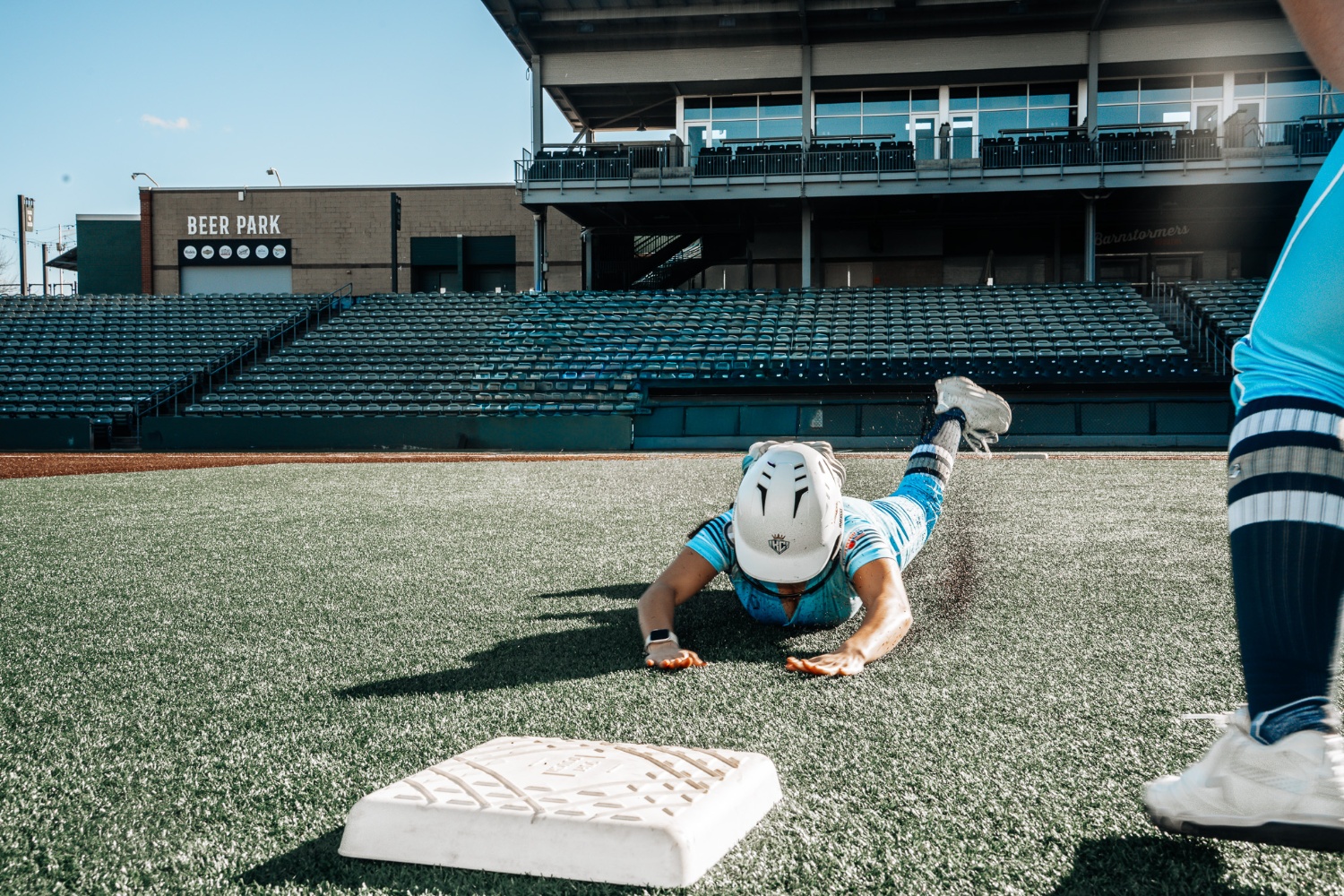
Diamonds Insider List
Be the first to know about ticket releases, merch drops, events, and exclusive content.


.png)

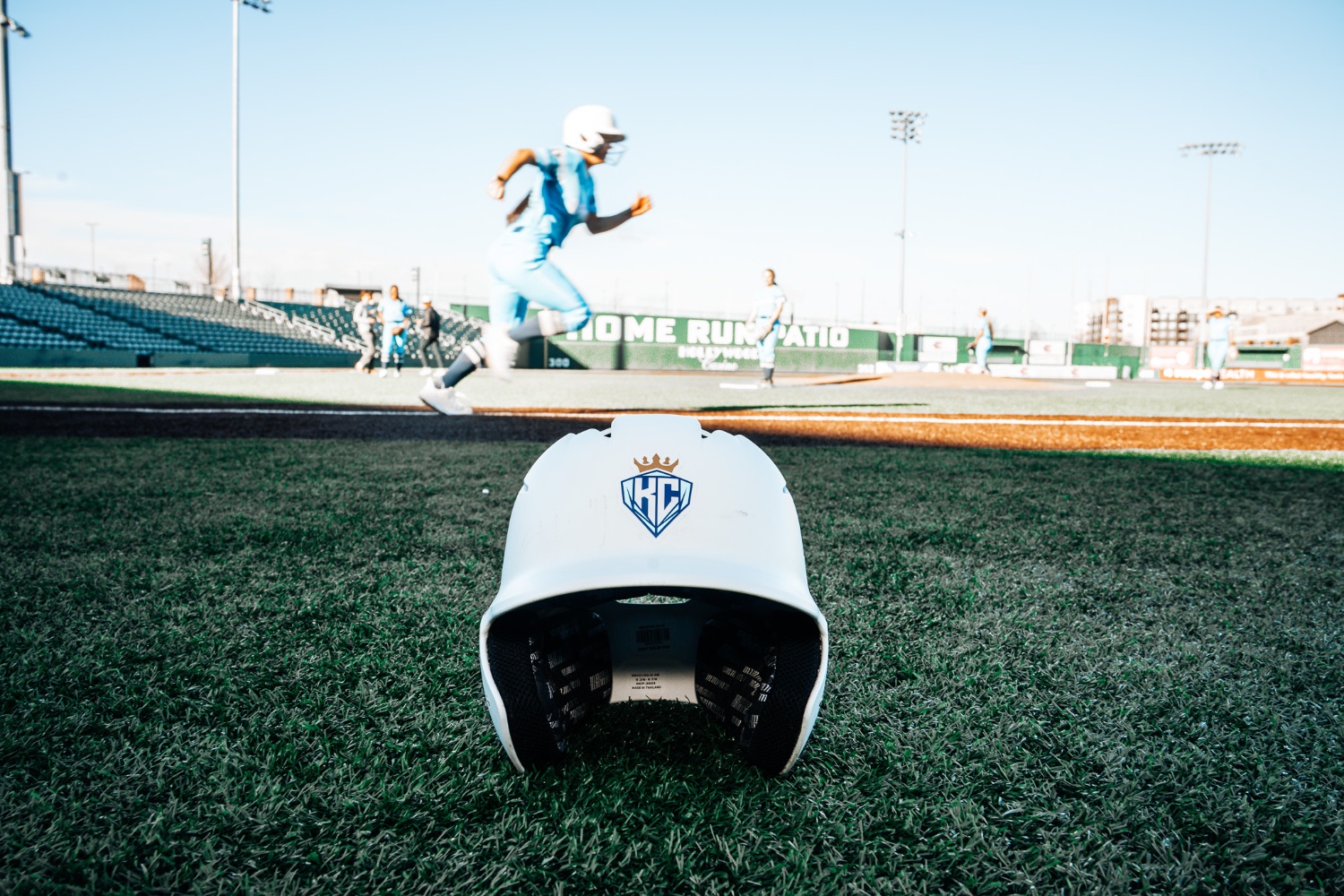
Join us for the PSL Postseason Championship Week. Game 1 kicks off Wednesday, August 5th - Saturday, August 8th.
Purchase Tickets